Steps for Ensuring Long-Lasting Surface Installations
Preparing surfaces correctly is essential for long-lasting tile installations. A durable base ensures that tiles adhere properly and reduces the risk of damage over time. To achieve this, it’s important to understand the steps involved in preparing different types of surfaces. This guide will walk you through best practices and expert tips for creating a strong foundation for your tiling projects.
The Importance of a Solid Foundation
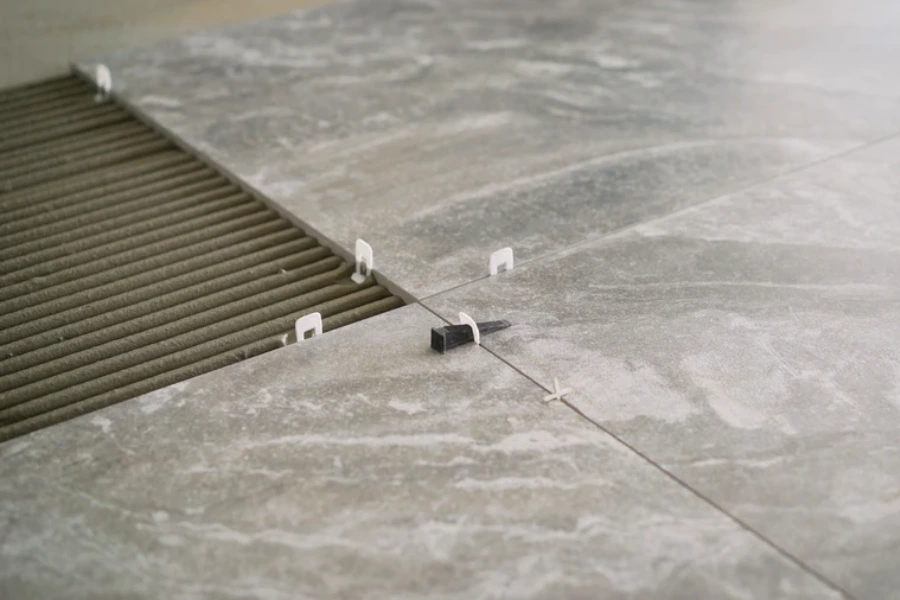
A solid foundation is crucial for any tiling project. It ensures that tiles stay in place and prevents issues like cracking or lifting. Without proper preparation, even high-quality tiles can fail to last. You need to ensure that surfaces are clean, level, and dry before starting any tile work. These factors play a huge role in the durability and appearance of your finished project.
Assessing Surface Conditions
Before beginning any tiling work, assess the condition of the surface. Check for any cracks or holes that could affect the installation. Tiling requires an even surface to prevent problems later on. Repair any damage beforehand to create a smooth and uniform base. This step is vital for achieving professional results.
Cleaning the Surface Thoroughly
A clean surface is key to successful tiling. Dirt, grease, and debris can interfere with adhesive bonds, leading to weak spots. Use appropriate cleaning agents based on the material you’ll be working with. Scrub thoroughly and allow the area to dry completely before applying any tiles. Taking the time to clean ensures that your installation lasts longer.
Selecting Appropriate Adhesives
Choosing the right adhesive is essential for a successful installation. Different materials require specific adhesives to ensure strong bonding. For example, ceramic tiles might need a different type than stone tiles. Consult with manufacturers’ guidelines to select suitable products. Proper adhesive selection helps maintain tile placement and overall stability.
Leveling Your Work Area
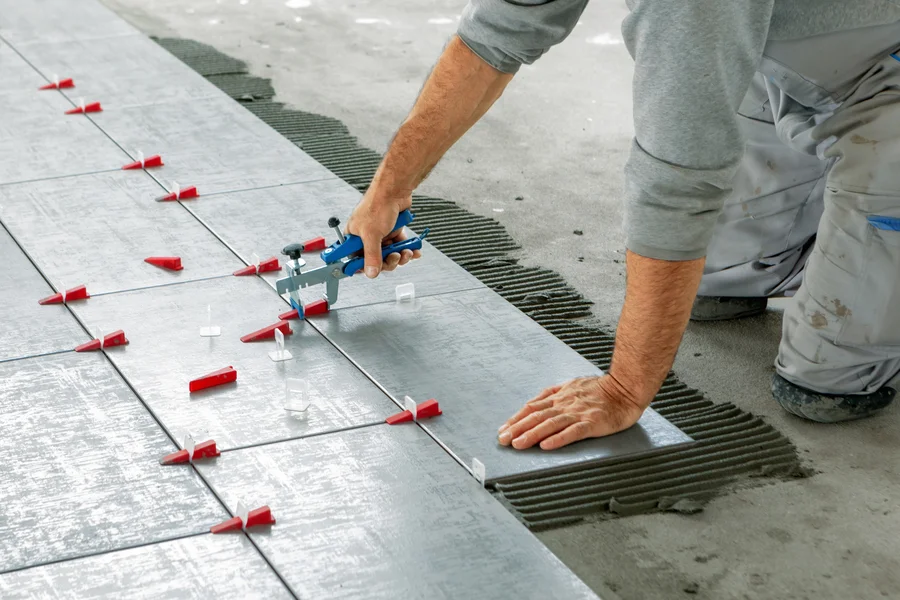
An uneven surface can lead to misaligned tiles, which not only looks bad but also compromises structural integrity. Use leveling tools to ensure a flat workspace. Self-leveling compounds can correct minor imperfections in the floor. This extra step saves time and effort when setting tiles and contributes to a polished finish.
Using High-Quality Materials
Investing in high-quality materials pays off in the long run. Cheap materials may save money upfront but often result in higher repair costs down the road. Quality tiles, adhesives, and grouts contribute to better durability and aesthetic appeal. Prioritize quality over cost to avoid future headaches and extend your project’s lifespan.
- Ensure regular maintenance by checking grout lines for wear.
- Use sealants where necessary to protect against moisture.
- Opt for slip-resistant finishes in wet areas like bathrooms.
Final Recommendations for Preparing Surfaces With Precision
Setting up a sturdy base for your tile project involves careful planning and execution. By assessing conditions, choosing the right materials, and following industry standards, you set yourself up for success. Located in Melbourne, FL, we offer expert advice tailored to your needs at Jeremy's Screen Repair and Handyman Services LLC. Reach out today at (321) 509-1919 for guidance on achieving impeccable results.