A Guide to Choosing the Right Wall Fixing Method
When it comes to wall fixes, understanding the differences between patching and full drywall repair can help you make the best decision. Both methods offer solutions for damaged walls, but they serve different purposes. Knowing which method to use can save time, effort, and money. This guide covers these approaches in detail, highlighting their benefits, challenges, and costs.
The Basics of Patching
Patching is a quick fix for minor wall damage like small holes or dents. This approach targets specific areas without affecting the whole wall. It’s ideal for those who need a simple repair solution. The process involves cleaning the area, applying filler, and smoothing it out after it dries. After patching, a fresh coat of paint blends the repaired spot with the rest of the wall.
Understanding Full Wall Restoration
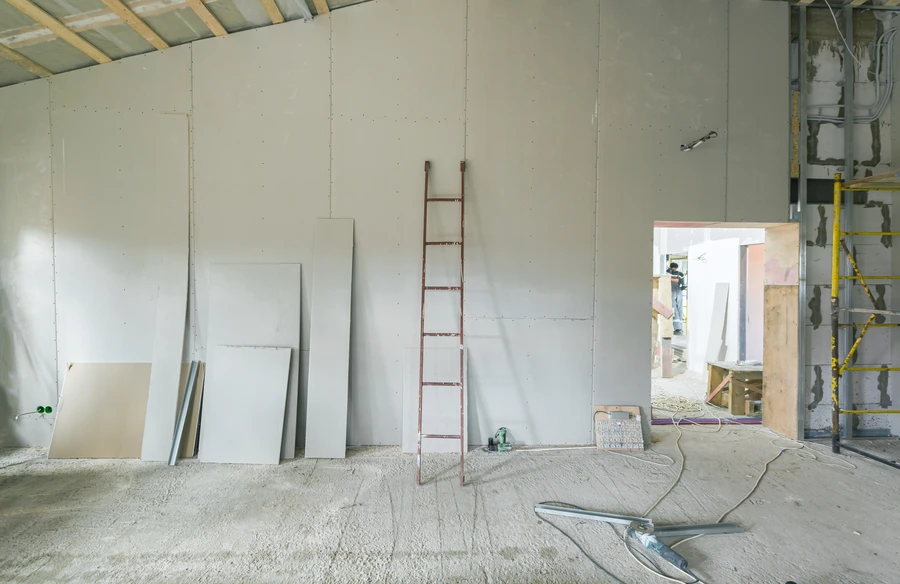
Full restoration, often referred to as full drywall repair, is necessary when extensive damage occurs. It involves replacing entire sections of drywall to ensure structural integrity. This method is crucial for large cracks, water damage, or significant wear and tear. Full restoration requires more time and resources but ensures long-lasting results and quality appearance.
Benefits of Minor Repairs
Choosing patching over full repairs offers several advantages:
- Cost-effective for small damages
- Quick completion time
- Minimal disruption during fixes
- Suitable for DIY enthusiasts
Advantages of Comprehensive Restoration
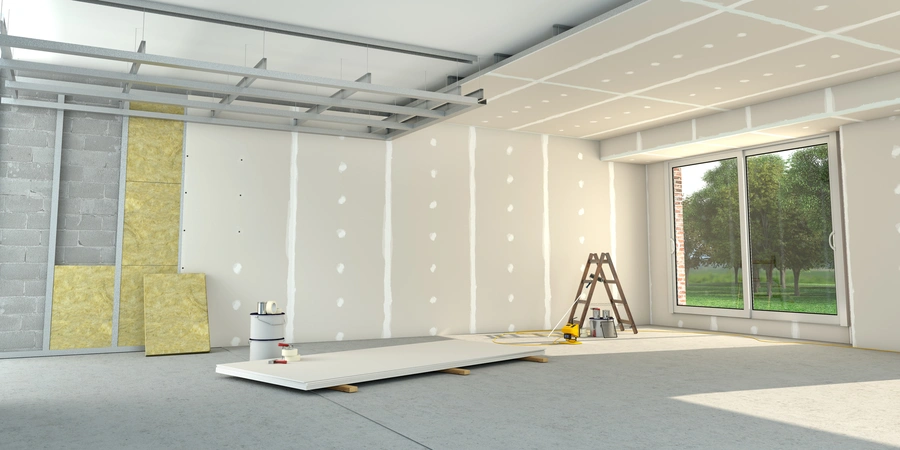
Opting for a complete drywall overhaul provides distinct benefits:
- Ensures structural safety for larger issues
- High-quality finish across the entire surface
- Prevents future problems by addressing root causes
- Increases property value through improved aesthetics
Challenges Faced During Minor Fixes
While patching is convenient, it has its drawbacks. A common issue is inconsistency in texture, making spots noticeable under certain lighting conditions. Additionally, if not done correctly, patches can peel away over time. In such cases, revisiting the problem may become necessary.
Tackling Major Issues in Wall Restoration
Full drywall repair presents challenges mainly due to its complexity. It demands skilled labor and a good amount of time. Professional help might be required to achieve seamless results. Unexpected problems, like hidden mold or electrical wiring issues, can also arise during restoration.
Deciding on the Best Approach
Your choice between patching and full repair should depend on the extent of the damage and your long-term needs. Consider factors like cost, urgency, and future renovation plans before deciding. Sometimes, immediate fixes suffice; other times, a thorough restoration better serves your home’s longevity.
Practical Tips for Homeowners
Before starting any wall fixes, homeowners should keep these tips in mind:
- Assess the damage thoroughly before choosing a method
- Consider professional assessments for hidden damages
- Use high-quality materials for durability
- Seek professional help if unsure about techniques
The Cost Implications of Different Methods
Patching typically incurs lower costs compared to full restoration. However, it’s essential to weigh these savings against potential future repairs. Full repairs require higher upfront expenses but offer peace of mind with lasting results. Consult with experts to understand all potential costs involved.
Your Next Steps Towards Perfect Walls With Our Help
If you’re in Melbourne, FL, consider calling our team at Jeremy's Screen Repair and Handyman Services LLC for expert advice on wall fixes. Whether it’s a simple patch or a comprehensive overhaul you’re considering, we’re here to assist you every step of the way. Reach out at (321) 509-1919 today for top-tier service tailored to your needs.